
After the Lanka war
Rama seeks expiation
The official temple account recounts that Rama came to Rameswaram with Sita and Lakshmana after the defeat of RavanaDM5 and sought to worship Shiva as an act of expiation.
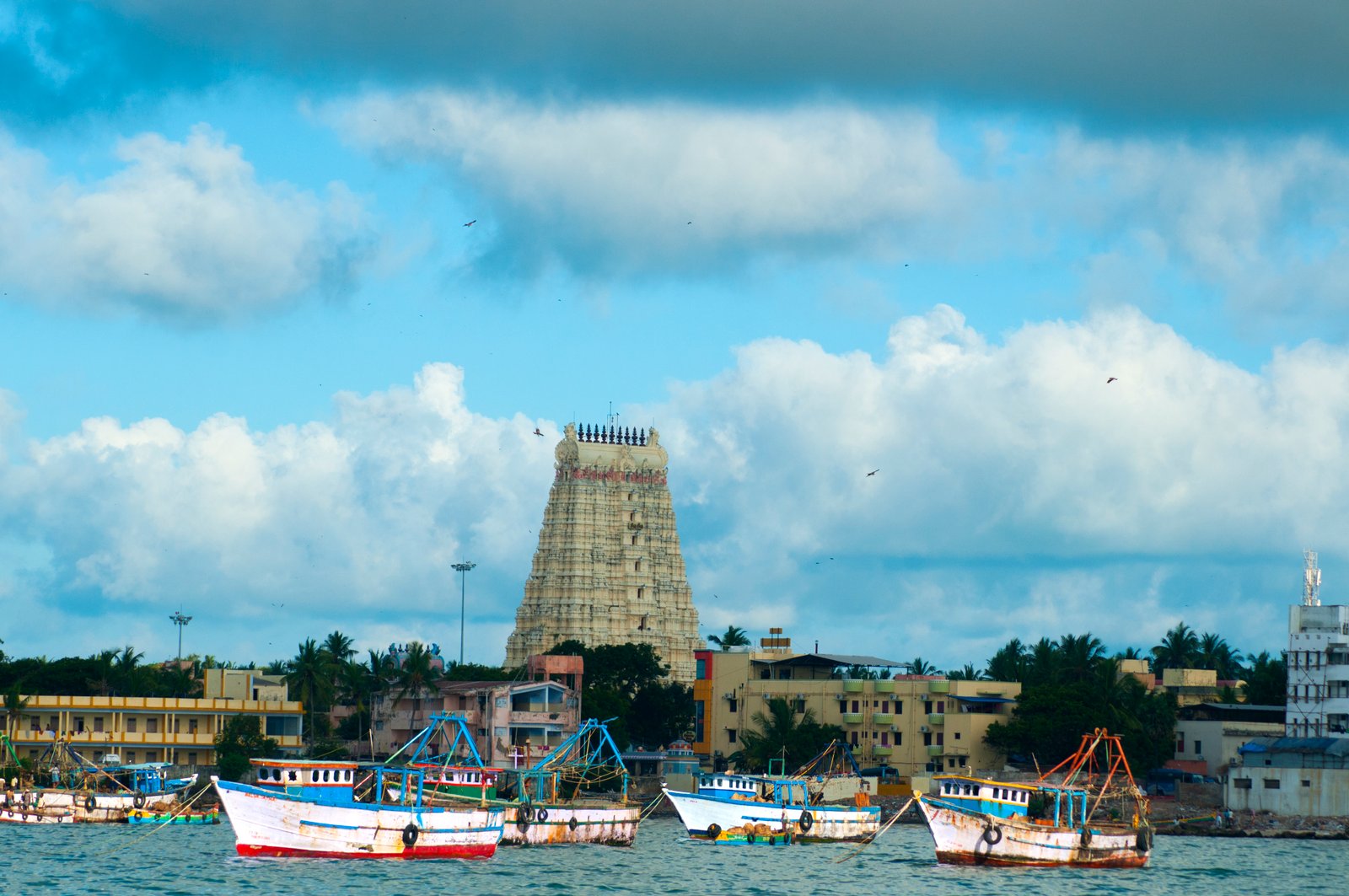
Rameswaram Island, Ramanathapuram District, Tamil NaduH19
Ramanathaswamy is revered as the eleventh Jyotirlinga and the southern Shiva shrine of the All-India Char Dham. Its source-reported east-facing complex follows Dravidian architectureAR2, with gopurams, courtyards, the celebrated Third Corridor and a ritual landscape joining temple wells with the coast.
Current operational values come from the Tamil Nadu HR&CE temple portal. Stable content is reconciled with the user-supplied Ramanathaswamy sourceSRC and current government references.
Schedules can change for festivals or administration; these are not live queue or access guarantees.
Government sources give approximate distances; confirm current services and routes.
Calculated in the browser from the Ramanathaswamy coordinates; values are planning guidance.
Sacred identity, island setting and practical visitor context for Ramanathaswamy in Rameswaram.
Ramanathaswamy brings Shiva worship, Rama tradition, water ritual and coastal pilgrimage into one carefully sequenced visit.
Belief statements on this page are framed as temple tradition. Current timing and access values are published only where supported by the Tamil Nadu HR&CE temple portal.
The official temple account is presented as a Ramayana-associated sacred narrative, not as modern documented history.
According to temple tradition, Rama worshipped Shiva at Rameswaram after Ravana’s defeat, while Sita’s sand Lingam and Hanuman’s later Lingam both became part of the temple tradition.
After the Lanka war
The official temple account recounts that Rama came to Rameswaram with Sita and Lakshmana after the defeat of RavanaDM5 and sought to worship Shiva as an act of expiation.
Sita’s sand Lingam
Hanuman was sent to bring a Shiva Lingam from Kailash but was delayed. In the sacred narrative, Sita formed a Lingam from sand and Rama installed and worshipped it.
Hanuman’s return
Hanuman later returned with another Lingam. Temple tradition says it was installed beside the Ramalingam and that worship of the Lingam brought by Hanuman takes precedence.
The temple grew in layers across centuries; source attributions are separated from the more specific current HR&CE account.
Source attribution
The supplied document attributes temple development to the Pandya dynastyD5. This is retained as a source-described contribution rather than a complete construction chronology.
Sixteenth century context
The HR&CE history records work by Chinna Udayan Sethupathi Kattathevar under Madurai ruler Viswanatha Nayak; the supplied taxonomy groups this with Nayak rulersD6.
Source attribution
The supplied document also records Maratha contributionsD7; the current accessible HR&CE history does not provide a matching detail, so no date or monument is assigned here.
Documented layers
HR&CE describes a 12th-century sanctum associated with Parakramabahu, 15th- and 17th-century Sethupathi works and later Nattukottai Nagarathar contributions including completion of the nine-tier eastern Rajagopuram in 1897–1904.
AR2 identifies the Dravidian architectural style, expressed through gopurams, pillared corridors, courtyards and layered sacred movement.
Tall gopurams, sculpted stone pillars and successive courtyards establish the South Indian architectural language of the complex.
The central sanctum anchors worship, while the surrounding layout guides movement through subsidiary spaces and ritual points.
Long pillared corridors and broad circumambulatory paths create a layered route for prayer, pradakshina and access to the Theertham system.
The internal wells are integrated into temple movement and require their own officially published bathing windows.
The official portal confirms 22 internal temple Theerthams and their access windows; Agni Theertham is a separate external sea-bathing site.
Inside the temple
The HR&CE portal confirms bathing access to 22 sacred Theerthams inside the temple. Visitors should follow the active sequence, staff instructions and clothing rules.
Official access windows
These are the current published internal Theertham windows. They do not establish a live queue, guaranteed completion time or uninterrupted access.
Outside the temple
Agni TheerthamR23 lies at the coast outside the temple and must not be described as one of the internal wells.
Name-list boundary
The supplied DOCX includes a name-and-benefit table that conflicts with the official external/internal Agni Theertham distinction. Because the accessible current official sources confirm the count but not a complete name list, the page does not publish or invent all 22 names and omits guaranteed-benefit claims.
Temple design, ritual sequence and island geography combine in ways that require both reverence and practical planning.
Ramanathaswamy belongs to both the twelve-Jyotirlinga tradition and the All-India Char Dham pilgrimage.
The official account connects the sand Lingam made by Sita and the Lingam brought by Hanuman with the temple’s daily order of worship.
The external sea site and internal temple wells form related but distinct stages of pilgrimage planning.
The celebrated third enclosure is distinguished by long perspective, sculpted pillars and official district measurements.
The supplied document reports the main entrance as east-facing, with the sanctum at the sacred core.
Rameswaram’s island position links temple worship with sea, bridge, shore and Ramayana-associated travel.
Rama’s worship of Shiva makes the shrine an enduring meeting point of Shaiva and Vaishnava devotion.
Rama and Shiva
In the Ramayana-associated sacred narrative, Rama worships Shiva. The relationship is understood as humility, devotion and mutual reverence across major Hindu traditions.
Pilgrim intention
Visitors may approach the shrine for darshan, pooja, Teertham practice, ancestor rites or quiet reflection. These intentions are devotional, not guaranteed outcomes.
Water and worship
Sea bathing, internal Theerthams and sanctum darshan are commonly connected in pilgrimage practice, but participation depends on health, time, access and personal tradition.
Shared sacred landscape
The temple’s Rama–Shiva tradition and its place in the Char Dham support a broad pilgrimage identity respected by Shaiva and Vaishnava devotees.
Rameswaram is the southern Shiva shrine of the All-India Char DhamC5, distinct from any regional Char Dham classification.
All-India circuit
Rameswaram is traditionally grouped with Badrinath, Dwarka and Puri in the All-India Char Dham. It is the Shiva temple within that four-shrine circuit.
Kashi–Rameswaram tradition
The official temple history describes the Kashi–Rameswaram yatra as an important devotional journey linking worship in the north with Ramanathaswamy in the south.
Jyotirlinga identity
Ramanathaswamy’s combined Jyotirlinga and Char Dham status makes it significant in both Shiva pilgrimage and the wider all-India sacred geography.
Planning reality
Char Dham identity does not guarantee a prescribed local duration, order of services or result. Plan each shrine and journey according to current access and personal tradition.
Rameswaram’s island setting connects the temple with the Bay of Bengal, Indian Ocean, shore ritual and the Pamban approach.
Eastern waters
Rameswaram’s sacred geography is associated with the Bay of BengalR21 and its coastal approaches.
Wider sea setting
The island also belongs to the Indian OceanR22 environment, where wind, heat, rain and sea state shape practical travel.
Sea-bathing site
The shore is used in pilgrimage and ancestor-ritual traditions. Sea entry must depend on current conditions, local instructions and individual health.
Island access
The bridge links mainland travel with Rameswaram Island and serves as a Nearby landmark rather than a required spiritual-completion stop.
Choose a practical visit pattern before joining the temple approach.
Focused shrine visit
Plan around public darshan, Spatika Linga Pooja and Moolasthan access without assuming a live queue time.
Ritual sequence
Decide whether health, time and current access allow the external sea site and the internal temple Theerthams.
Wider pilgrimage
Use the controlled six-stop sequence while keeping Dhanushkodi access and coastal conditions flexible.
Decide in advance whether the visit is darshan only or includes Agni Theertham and the 22 internal temple Theerthams.
If participating in the external sea-bathing tradition, assess weather, sea conditions, health and current local guidance first.
Use only the active internal sequence during the official bathing windows and follow temple staff instructions.
Plan dry, respectful clothing before proceeding deeper into the temple and protect valuables from water.
Join the authorised route and note that Moolasthan access begins at 6:10 AM in the current official schedule.
Use permitted parikrama, Prasad and service arrangements without obstructing the active flow.
A government-source three-step route from regional arrival to the Rameswaram temple zone.
Choose current air, rail or road connections to Rameswaram.
Madurai Airport
Government pages place it approximately 175–180 km from Rameswaram; Thoothukudi is an alternative at about 195 km.Rameswaram Railway Station
Official pages place the station approximately 1.3–1.5 km from the temple; confirm the current train before travel.Rameswaram bus stand
Official pages place the bus stand approximately 1.5–2 km from the temple; current bus operation must be checked.Use the current mainland–island transport route.
Pamban island connection
Follow current road signs and traffic controls; Pamban Bridge is the principal island-access landmark.Rameswaram railhead
Confirm that the selected service currently reaches Rameswaram and do not rely on an archived timetable.Wind, rain and sea exposure
Weather can affect travel comfort and Dhanushkodi planning even when the temple route remains open.Separate transport, footwear, bathing and temple-entry plans.
East Car Street, Rameswaram 623526
Follow the current approach, barricades and entrance instructions.Walking or locally available transport
The temple, Agni Theertham and town approaches may require separate walking and changing time.Protect valuables and dry clothing
Water rituals create extra storage and clothing needs; use only authorised facilities.Four Hindu-calendar observances are highlighted without hardcoded permanent Gregorian dates.
A major Shiva festival marked by special worship and increased pilgrimage demand; confirm the current temple programme.
Celebrates Lord Rama and reflects the temple’s Ramayana-associated sacred tradition and Shaiva–Vaishnava connection.
An important Rameswaram observance when many pilgrims undertake sea bathing and ancestor rites according to belief and family tradition.
Devotional worship, lamps and temple observances may be scheduled locally; dates follow the Hindu calendar and are not permanently fixed here.
Keep temple services, water rituals and ancestor traditions distinct, voluntary and subject to current authorised arrangements.
Temple-authorised worship
Use only materials currently permitted by the temple, including authorised sacred water or Panchamrit where offered. Confirm whether participation, priest assistance and booking are available.
Internal water ritual
Use the official bathing windows and follow the active order. Allow time for wet clothing, changing and the onward sanctum route.
External sea tradition
Sea bathing is separate from the internal wells. Participation depends on sea conditions, health, local instructions and personal tradition.
Ancestor rites
Rameswaram is associated with Pitru Tarpan and Shraddha according to belief and family custom. No spiritual result is guaranteed and arrangements should be made only through authorised or personally trusted channels.
Season, Amavasya observances, festivals, coastal weather and the chosen Teertham sequence all affect a visit.
The supplied source recommends this broad season for travel; always check the current forecast and festival calendar.
Arrive early if combining Spatika Linga Pooja, internal Theerthams and Moolasthan darshan.
Maha Shivaratri, Rama Navami, Thai Amavasya, holidays and other observances can increase demand.
Avoid overexertion in peak heat and keep Dhanushkodi or sea-bathing plans flexible around current conditions.
Five nearby places with cautious visitor guidance for the island and Ramayana-associated landscape.
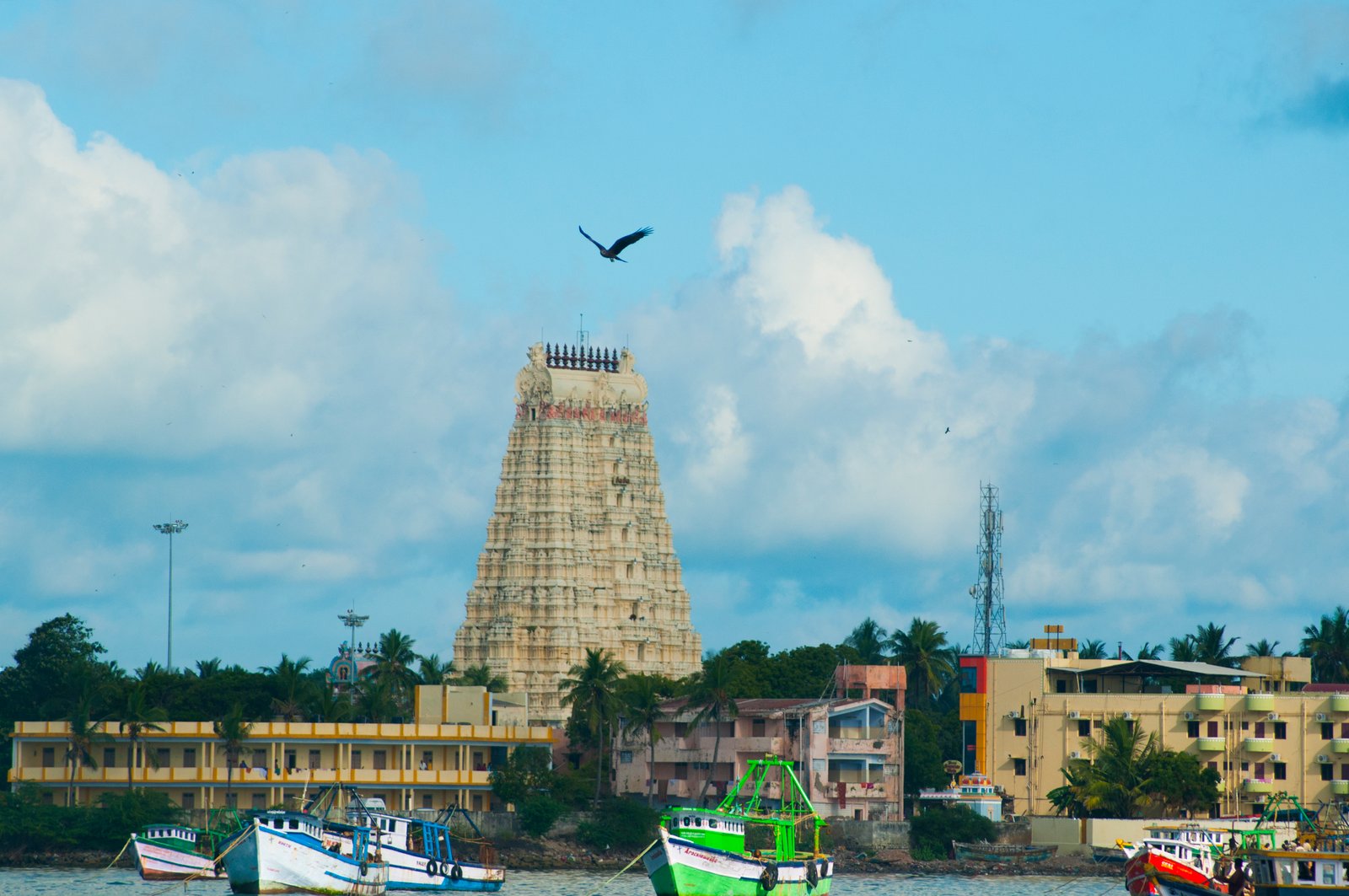
The external sea-bathing site is separate from the 22 internal temple Theerthams; assess the sea, weather and local ritual arrangements before entering the water.
Why visit: Sea-bathing tradition
The historic settlement was devastated by the 1964 cyclone and remains associated with Ramayana pilgrimage; road access, visiting conditions and coastal safety can change.
Why visit: Ramayana landscape
A defining island-access landmark; confirm the current road or rail service relevant to your journey rather than relying on an old timetable.
Why visit: Island access
A Rama shrine associated in sacred tradition with Vibhishana’s surrender; access and coastal conditions should be checked locally.
Why visit: Ramayana shrine
A Hanuman shrine associated with the five-faced form and Ram Setu belief; displayed stones are described as devotional tradition, not a scientific claim.
Why visit: Hanuman devotion
Planning note: Distances, opening, transport and coastal access can change; verify current conditions locally.
The complete six-stop sequence is controlled by C9C9 and is a planning framework, not a transport or spiritual-completion guarantee.
| Stop | Sacred place | Planning details |
|---|---|---|
| 1 | Ramanathaswamy Jyotirlinga Mandir Starting point | Begin with the temple plan, aligning public darshan, Moolasthan and any chosen internal Theertham sequence. |
| 2 | Agni Theertham Approximate: short walk from the eastern temple zone | Treat this as the external sea-bathing site and assess current conditions before entering the water. |
| 3 | 22 Temple Teerthams Inside the temple complex | Use the official access windows and active internal sequence; allow changing and waiting time. |
| 4 | Kothandaramaswamy Temple Approximate route varies | Continue to the Rama shrine associated in sacred tradition with Vibhishana’s surrender. |
| 5 | Dhanushkodi Approximate route varies with active access | Keep the coastal leg flexible around weather, daylight, road controls and return transport. |
| 6 | Panchamukha Hanuman Temple Approximate local road transfer | Conclude at the Hanuman shrine associated with the five-faced form and Ram Setu belief. |
Allow an approximate half day when combining sea, 22 internal Theerthams, changing time and darshan; actual duration depends on access and queues.
Use approximate local road transfers between the Rama and Hanuman shrines; route time depends on the chosen order and traffic.
Plan an approximate coastal excursion only when current road, weather, daylight and return arrangements are suitable.
Keep worship simple, respectful and responsive to current local rules.
Card 1
Card 2
Participation and materials depend on current temple rules.
Card 3
Form and availability depend on current temple practice.
Temple-area shopping should remain secondary to safety, authorised services and a realistic water-ritual plan.
The supplied source lists conch shells; check legal provenance, quality and suitability before buying.
Inspect material and quality independently; no seller or authenticity claim is certified here.
Choose simple mementos without assuming spiritual or scientific properties.
Local selections may cover Shiva, Rama, Rameswaram and pilgrimage traditions.
Visitors including water rituals should plan dry clothing and secure storage before entering the temple route.
For changing access, transport or temple service questions, prefer official counters and government information.
A safe visit depends on water awareness, dry-clothing planning, realistic timing and respect for current temple instructions.
Do not enter the sea when weather, waves, health or local instructions make bathing unsafe; ritual tradition is not a safety guarantee.
Wet floors, repeated bathing and changing needs require careful movement, secure valuables and suitable clothing.
Verify photography, offerings, sanctum access, queue routing and service arrangements on arrival.
Road access, weather, sea exposure, daylight and return transport can change; never assume completion.
Nine concise answers cover meaning, current timing, Teertham distinction, Char Dham and circuit planning.
These definitions explain the thirteen controlled source markers used beside their first relevant occurrence.