Goddess Identity
Meenakshi Amman
 Divine Mandir
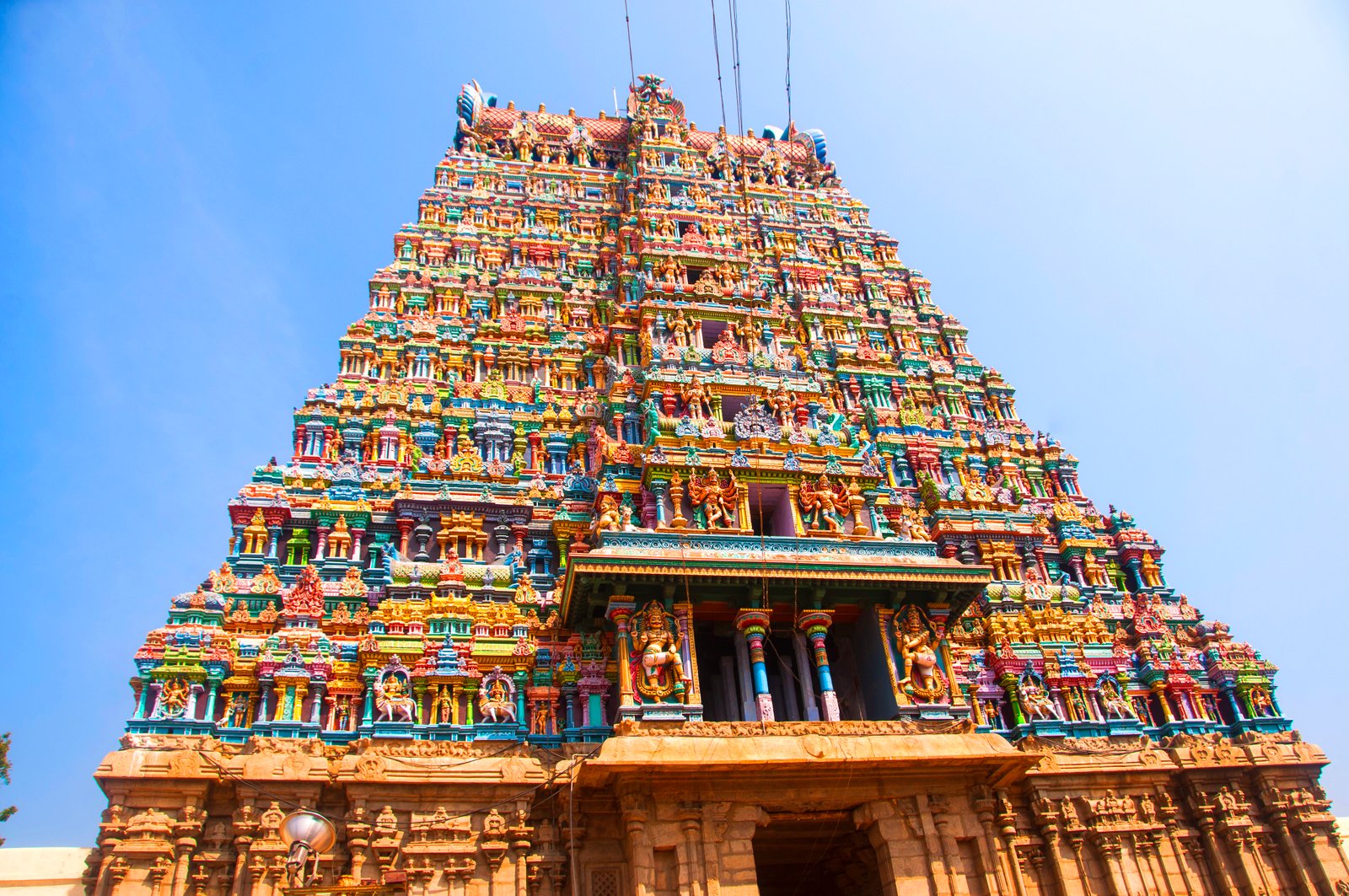
Madurai, Tamil Nadu, India
A source-led guide to Madurai's Goddess-primary sacred complex, preserving Meenakshi Amman as the principal identity while recognising Lord Sundareswarar and the temple's living Shaiva, Shakta and Vaishnava traditions.
Visitor verification: Published hours, puja times, fees, booking, dress, photography, accessibility, queues, transport and festival arrangements can change. Confirm current information with the temple authority before travel.
Identity, location and visitor context
A source-led guide to Madurai's Goddess-primary sacred complex, preserving Meenakshi Amman as the principal identity while recognising Lord Sundareswarar and the temple's living Shaiva, Shakta and Vaishnava traditions.
Arulmigu Meenakshi Sundareshwarar Temple is the canonical temple identity for this guide, centred on Meenakshi Amman.
Exact identity takes priority over the combined hub label
Arulmigu Meenakshi Sundareshwarar Temple is the canonical temple identity for this guide, centred on Meenakshi Amman.
Meenakshi Amman
Goddess-primary temple complex shared with Lord Sundareswarar
Arulmigu Meenakshi Sundareshwarar Temple
This page does not rename the Goddess as a generic Durga, Kali or Amman temple.
Source-backed theological framing
The supplied guide explains Meenakshi as the fish-eyed Goddess and presents her as Madurai's queen, a warrior form of Parvati and the primary focus of this temple complex. These theological meanings are presented as sacred tradition.
Traditional and attributed claims
Temple tradition centres on the divine wedding of Meenakshi and Sundareswarar. Vishnu is honoured in the wedding narrative as Meenakshi's brother, and the nightly ceremonial movement of Sundareswarar is described as a continuing sign of Shiva-Shakti union.
Editorial classification: Sacred narratives, miracle language, healing traditions, Shakti Peetha associations, promised blessings and ancient-age claims are presented as traditional or attributed claims, not independently verified facts.
Documented layers and carefully attributed age claims
The source places the temple in an ancient Pandya sacred landscape and describes major rebuilding and expansion under Vijayanagara and Nayaka patronage after medieval destruction. Very early age claims are treated as textual or traditional rather than precise archaeological dates.
Source-described form and complex layout
The large Dravidian complex is described with fourteen gopurams, the Golden Lotus Tank, the Aayiram Kaal Mandapam with 985 pillars, extensive sculpture, ceremonial halls and separate Meenakshi and Sundareswarar sanctums.
Follow current on-site routing
The temple stands at the centre of Madurai's concentric street plan. Use the current signed entrance and queue, visit Meenakshi according to present temple directions and continue to Sundareswarar without treating this guide as an official ritual order.
Four practical checks before travel
Meenakshi Amman
Arulmigu Meenakshi Sundareshwarar Temple, Madurai, Tamil Nadu 625001, India
Treat all hours, fees, access and festival schedules as requiring current verification.
Use the canonical temple identity and current official entrance.
A practical visitor flow, not a compulsory ritual order
This sequence is visitor guidance only. Current temple directions take priority.
Use the source-backed address and coordinates; recheck live transport conditions.
Source-published planning leads requiring current verification
Source-published daily schedules vary by ritual and season
Expect separate morning and evening access periods
Confirm the current closing, puja and festival-day schedule
Confirm before travel: Published hours, puja times, fees, booking, dress, photography, accessibility, queues, transport and festival arrangements can change. Confirm current information with the temple authority before travel.
Source-backed observances; current dates and access must be confirmed
The supplied guide identifies the divine-wedding festival as the principal annual celebration; current dates and crowd controls require confirmation.
Nine nights of Goddess worship and changing alankaram are described; confirm the current programme.
The source connects the deities with the Vandiyur Mariamman Teppakulam float celebration; verify the current procession plan.
Temple-specific context with non-harm safeguards
Darshan centres on Meenakshi Amman, followed by the wider complex according to current temple directions.
The source describes six daily pujas and a nightly divine-union observance; exact times remain current-verification data.
Use only authorised counters for archana, offerings, donations and any special access.
Non-harm boundary: This guide does not instruct animal harm, self-injury, unsafe fire, coercive exorcism, possession imitation, dangerous body applications or unsupervised vows.
Confirm currently accepted items and authorised channels
Present only items currently accepted by the temple.
Receive prasad through the current authorised arrangement.
Use official channels and verify availability, fees and receipts.
Five combined-hub topics; temple-specific guidance remains on this page
Plan for weather, crowds and current access
Choose a regular non-festival day only after checking current opening periods.
Expect larger crowds, changed queues, security controls and possible road restrictions.
Check the current forecast, hydration rules, walking distance and accessible route.
Before you enter
Source hierarchy and claim classification
Primary supplied source for identity, location, sacred tradition, history, architecture, worship, festivals and visitor context.
Authority reference named in the supplied guide for present-day temple administration and visitor information.
Government tourism reference named in the supplied guide for destination context.
Classification: location and identity are stable source facts; sacred narratives and promised benefits are attributed claims; all live operations require current verification.