Verify today's official schedule before arrival • Ashtavinayak yatra movement can change around weekends, family prayer visits, and Ganesh Ji Chaturthi •
Pooja / Live: Pooja
⏳Avg Darshan Time: varies by crowd, queue flow, and village-route conditions
✨Best time today: early morning before the Mahad route gets busier
🚶Final access: Mahad / Khopoli / Raigad district road access should be rechecked locally
💡First visit? carry minimal items and verify mandir-side guidance before you leave
Yatra pattern: early mornings are usually easier • Peak: Ganesh Ji Chaturthi
Ashtavinayak Ganesh Ji MandirVerification: To be verified
Varadvinayak Mandir
Mahad, Maharashtra
★Deity: Lord Ganesha as Varadvinayak
Varadvinayak Mandir at Mahad is one of Maharashtra's revered Ashtavinayak mandirs, known for its boon-giving Varadvinayak form, devotee faith, and its place in the Ashtavinayak pilgrimage route.
The mandir carries a hopeful devotional mood, so many devotees come here with prayers for boons, blessings, fulfilment, family well-being, and removal of obstacles before an important life step.
Mandir schedule, route conditions, ritual reporting steps, and crowd guidance should be rechecked from current local sources before the visit.
Meaning of Varadvinayak
Varad means boon-giving, and Vinayak means Lord Ganesha. Varadvinayak is worshipped as Lord Ganesha who grants blessings, fulfilment, wisdom, and obstacle removal.
Devotees approach the mandir with faith in Lord Ganesha as the giver of boons, blessings, fulfilment, and compassionate support for sincere prayer.
Varad = Boon-givingVinayak formBlessing & fulfilment
Mandir Status
Check Today
Local timing guidance only. Verify before travel.
Crowd Expectation
Moderate
Crowd flow can change by weekday, local event, and festival date.
Crowd pattern depends on Ashtavinayak yatra movement and festival cycle.
Next Pooja / Live
Pooja
Use official mandir guidance for the current pooja and darshan schedule before travel.
Best Darshan Window
Early morning before the Mahad route gets busier
Early morning visits are usually smoother because the Mahad route is calmer and the day still leaves room for wider Raigad or Ashtavinayak planning.
Recommended
👉 Best to plan an early morning visit if you want steadier darshan, easier Mahad access, and calmer family prayer time.
📅 Today: Varadvinayak remains a yatra-sensitive mandir, so check current queue rules, local road conditions, and crowd guidance before departure.
AirportMumbai Airport / Pune Airport, to be verified
RailKhopoli / Karjat / local transfer, to be verified
StayMahad / Raigad stay options, to be verified
AccessMahad / Khopoli / Raigad district road access
BookingBooking guidance to be verified before travel
VerificationTo be verified
🚗 Yatra route timing, local transfer, and final village approach should be rechecked before travel.
Sun, Moon & Sacred Timings
Today's Sacred Timings
Sunrise Today6:00 AM
Sunset Today7:14 PM
Moonrise Today6:58 AM
Moonset Today8:49 PM
Timings are location-based fallback values and may vary slightly by date; recheck before travel.
Boon-giving formThe shrine is remembered through Lord Ganesha's Varadvinayak form and the belief that sincere prayer is answered with blessing and fulfilment.
Mahad pilgrimage settingThe mandir stands in a strong Mahad / Raigad pilgrimage setting that shapes darshan planning and family prayer travel.
Blessings and fulfilmentMany devotees come here seeking boons, fulfilment, blessings, and removal of obstacles in important life matters.
Family prayerThe mandir is strongly associated with family blessings, protection, fulfilment, and obstacle removal for households.
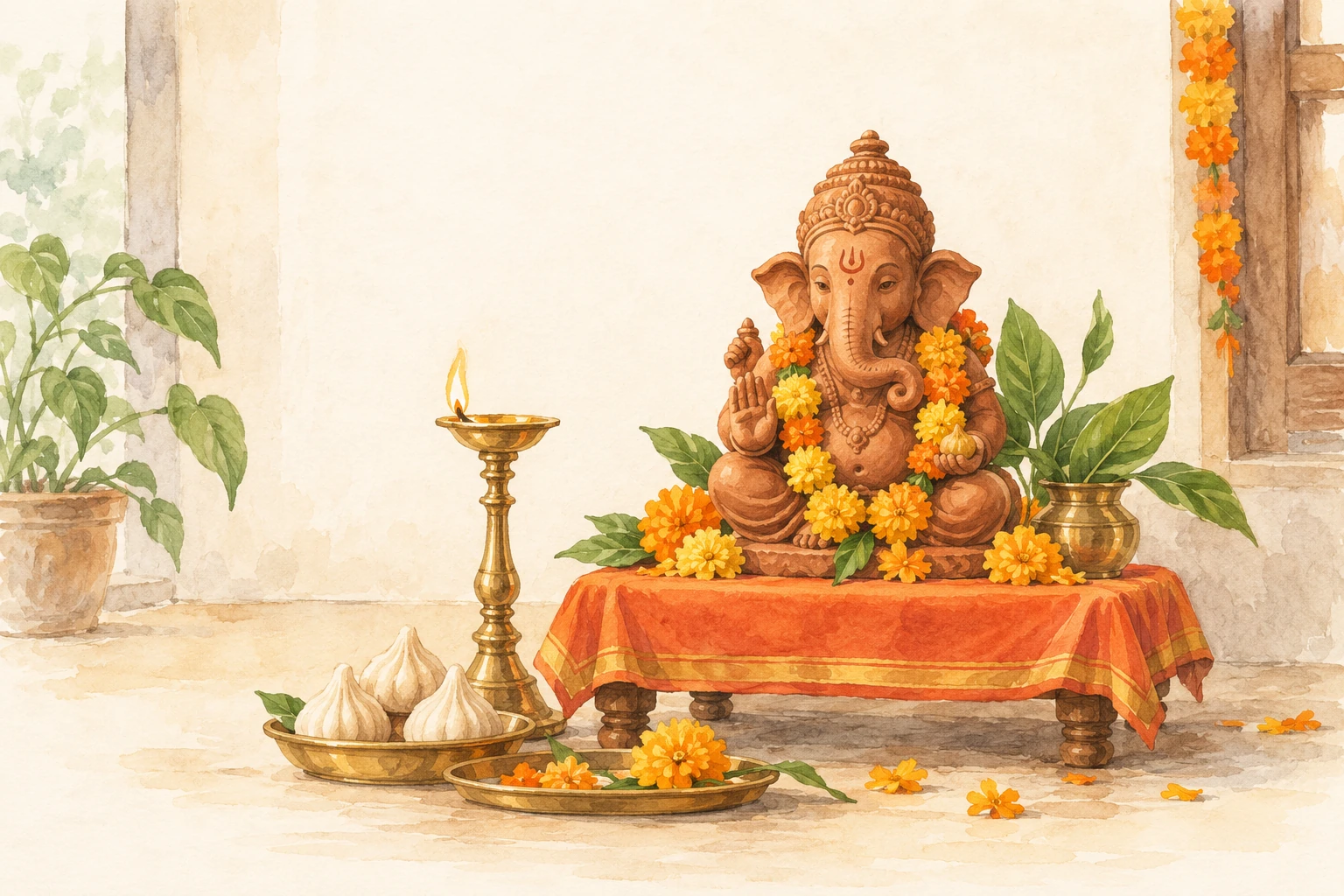
Image statusDedicated mandir imagery is still pending approval, so the page uses a generic Ganesh Ji visual.
The name helps devotees understand why this shrine is approached through Lord Ganesha's boon-giving form and the promise of blessings, fulfilment, and support for sincere prayer.
Varad means boon-giving, and Vinayak means Lord Ganesha. Varadvinayak is worshipped as Lord Ganesha who grants blessings, fulfilment, wisdom, and obstacle removal.
Name and spiritual meaning
For many devotees, Varadvinayak is not only a mandir title. It refers to a sacred form of Lord Ganesha approached for boons, blessings, fulfilment, wisdom, and removal of obstacles from family, work, and personal life.
The name carries a clear devotional meaning because devotees come to Mahad with the hope that sincere prayer will be met with a compassionate blessing and that Lord Ganesha will guide important beginnings with steadiness and fulfilment.
Varad
Boon-giving meaning
Varad points to the boon-giving nature of Lord Ganesha in this mandir tradition.
Vinayak
Lord Ganesha form
Vinayak names Lord Ganesha as the remover of obstacles and giver of wise guidance.
Faith
Fulfilment prayer
Devotees connect the name with blessings, fulfilment, and the grace to move through obstacles.
Quick Decision Box
Choose the visit style that best fits your darshan timing, boon-seeking prayer purpose, and Mahad route planning.
First-Time Visitor
Recommended for most devotees
Simple Darshan Visit
Best for a steady first visit focused on darshan, family prayer, and manageable route planning through Mahad.
Best fit:Early morning before the Mahad route gets busier
Ideal for:First-time visitors and circuit pilgrims
Focus: easier access, steadier prayer, and a smoother darshan
Understanding Varadvinayak Mandir's place in Mahad / Raigad devotion, the Ashtavinayak yatra, and family prayer tradition.
An Ashtavinayak mandir in Maharashtra with strong boon-seeking devotional importance
The Mahad / Raigad setting and boon-giving Varadvinayak identity shape how pilgrims remember the shrine
Ganesh Ji Chaturthi devotion, family prayer, and fulfilment belief remain central to the mandir's identity
Route planning via Khopoli / Karjat side matters for a smoother darshan day
Varadvinayak Mandir is one of Maharashtra's revered Ashtavinayak shrines and is especially valued for the way it combines its boon-giving devotional identity, Mahad / Raigad pilgrimage setting, and a family prayer atmosphere centered on fulfilment and blessing. Devotees come here for boons, wisdom, protection, and removal of obstacles.
The mandir overview is shaped by both faith and route logic. Many visitors plan the shrine together with Ganesh Ji Chaturthi devotion, family prayer, and route planning through Khopoli / Karjat side access, which gives the mandir a practical and emotionally rooted identity.
Varadvinayak Mandir Belief and Devotee Faith
Devotees often approach this mandir with prayers for boons, fulfilment, blessings, protection, new beginnings, family prayer, and obstacle removal.
Varadvinayak Mandir is commonly approached for boons, fulfilment, blessings, protection, new beginnings, family prayer, and obstacle removal.
Faith and prayer life
Many devotees come here because Lord Ganesha is approached in this form as the giver of boons, blessings, fulfilment, and protection for family, work, health, and other important life concerns.
The mandir's devotional identity is also shaped by its place in the Ashtavinayak route. That role gives the shrine a strong emotional place in family prayer and new beginnings because the visit often feels like the right way to ask for support with steadiness and faith.
Boon-seeking prayer and fulfilment faith
Blessings, protection, and household well-being
Obstacle removal before family decisions and major commitments
Ganesh Ji Chaturthi as the mandir's major devotional season
Mandir History
The shrine is remembered through its place in the traditional Ashtavinayak circuit, though finer historical, renovation, and institutional details should still be verified from mandir-side sources.
Varadvinayak is part of the traditional Ashtavinayak circuit. Exact historical, renovation, and mandir-management details should be verified from official or local sources before publication.
Traditional historical note
Varadvinayak is part of the traditional Ashtavinayak circuit and is remembered as a major boon-seeking Ganesh Ji shrine within Maharashtra's wider pilgrimage tradition.
At the same time, exact historical chronology, renovation details, mandir-management information, and finer archival claims should be treated carefully until they are verified from official mandir sources or supported local records. For this page, the safest position is to keep the Ashtavinayak identity central while marking specifics as verification-dependent.
Ashtavinayak
Pilgrimage heritage
The mandir is widely remembered through the traditional Ashtavinayak route.
Mahad link
Route continuity
The shrine remains tied to Mahad / Raigad pilgrimage memory and regional devotional travel.
Verification
Details still to confirm
Builder and finer timeline information should be verified before citation.
Architecture & Design
Varadvinayak is best understood through its traditional Maharashtrian mandir character, pilgrimage-town setting, sanctum-focused darshan, and Ashtavinayak route identity.
The mandir is generally described through its traditional Maharashtrian character, pilgrimage-town atmosphere, and sanctum-focused devotional identity.
Mandir character
Varadvinayak Mandir is remembered through a traditional Maharashtrian mandir character shaped by Mahad's pilgrimage-town setting and a darshan experience centered on the sanctum, devotion, and steady family prayer.
The design experience is shaped as much by place and approach as by structure. Entering Mahad, moving through the mandir area, and approaching the sanctum with the boon-giving Varadvinayak form in mind all affect how devotees remember the darshan.
Style note
Traditional Maharashtrian character
The mandir is best approached through its regional devotional character and pilgrimage setting.
Setting
Pilgrimage-town atmosphere
The wider Mahad / Raigad setting shapes how visitors remember the mandir and route.
Atmosphere
Focused and devotional
The shrine feels purposeful, welcoming, and closely tied to family prayer.
Spiritual Importance
The mandir holds strong devotional value for boon-seeking prayer, family blessings, fulfilment, protection, and removal of obstacles.
Varadvinayak Mandir remains spiritually important because it keeps Ganesh Ji worship close to boon-seeking devotion, family blessings, fulfilment, obstacle removal, and the Ashtavinayak yatra spirit.
Faith and focused prayer
Varadvinayak is spiritually important because devotees approach Lord Ganesha here for boons, blessings, fulfilment, and the reassurance that sincere prayer and humble devotion can lead to compassionate support and clearer movement through obstacles.
Ganesh Ji Chaturthi intensifies that identity, but the mandir's importance is visible year-round in the steady flow of devotees who come for family blessings, fulfilment of prayers, and support before major life steps.
Varadvinayak worship tied to boon-seeking devotion and household blessing
Prayer for fulfilment, family well-being, and major commitments
Obstacle removal through blessing, faith, and steady prayer
Ganesh Ji Chaturthi as the mandir's strongest devotional season
Darshan Process
A quick step-by-step flow from reaching the Mahad / Raigad route to darshan and exit.
Average total time: depends on crowd, walking pace, and yatra-route conditions
Visitor Guidance
1
Reach Mahad / Raigad Route
Arrive through Mumbai or Pune transfer, Khopoli / Karjat rail handoff, or Raigad road planning before the final mandir approach.
2
Verify Entry Guidance
Check any current mandir-entry, footwear, token, security, or queue instructions before joining the darshan route.
3
Keep Items Light
Carry only light offerings and practical essentials so movement through the mandir area remains easier.
4
Join the Darshan Line
Move with the guided queue and allow time buffer if the village route is already active with pilgrims or festival traffic.
5
Take Darshan
Offer prayer calmly, keep the sanctum flow moving respectfully, and follow current pooja guidance if you are not on a simple visit.
6
Continue the Circuit
Exit through the guided route and continue toward local Mahad pilgrimage stops, Pali Ballaleshwar, or wider Raigad and Ashtavinayak travel connections if planned.
This page uses a practical planning window with conservative defaults. Exact darshan and pooja timing should still be confirmed before travel.
Some exact mandir-hour, pooja-counter, same-day crowd windows, and yatra-route conditions still need direct confirmation before travel.
Mandir StatusVERIFYDynamic planning status based on the local mandir window.
Today's planning windowOfficial exact hours: To be verified
Main RitualPoojaUse official mandir guidance for today's ritual window.Best Darshan WindowEarly morning yatra start, verify locallyMorning usually works better because village movement is calmer and the day still leaves room for the wider circuit.Crowd ExpectationModerateVerify before travel.Sacred Timing TodaySunrise 6:00 AMSunset 7:14 PM • Moonrise 6:58 AM • Moonset 8:49 PM
Darshan Planning Snapshot
Use these page-level notes as visit guidance, not as final official timing.
Mandir opensTo be verified
General darshanTo be verified
Pooja / livePooja
Best darshan windowEarly morning before the Mahad route gets busier
Current guidanceEarly morning before the Mahad route gets busier usually feels smoother
Planning note
Yatra timing, local transfer, and queue movement matter as much as the posted schedule
For Varadvinayak, timing planning is not only about the sanctum. Mahad access, Khopoli / Karjat-side transfer, and festival-period route movement can affect how smooth the visit feels.
The illustrated DivineMandir guide covers story and significance, welcoming Ganesh Ji home, puja preparation, samagri, daily worship, offerings, visarjan, and 102 practical questions and answers.
Varadvinayak booking planning is mainly about confirming whether any current pooja, special darshan, or reporting process applies beyond a normal mandir visit.
Booking Required: To be verified
Whether normal darshan, advance booking, or a reporting step applies should still be verified before arrival.
Main pooja type
Pooja guidance
General darshan flow should be treated as verification-dependent, and the current mandir-side reporting process should still be checked before travel.
BookingTo be verified
Current ruleTo be verified from official mandir source
ReportingArrive with time buffer if a special pooja rule applies
Special ritual
Pooja and seva details
Devotees seeking a more focused offering beyond normal darshan should verify current pooja availability, local process, and reporting rules before travel.
BookingTo be verified
Rule statusTo be verified
Best practiceDo not assume same-day pooja availability
Festival caution
Festival and high-demand dates
Ganesh Ji Chaturthi or major circuit days can change crowd flow, queue control, and route timing, so entry rules should be confirmed again closer to the visit.
Crowd noteQueue intensity can change quickly
Timing noteReporting buffer is important
VerificationUse official updates for the active day
Current rules
Booking and reporting process
The safest approach is to verify the present pooja method, reporting time, ID requirements, and any mandir-entry restrictions directly from the mandir's current official communication.
For Varadvinayak, route planning through Mahad, Raigad, and Khopoli / Karjat side matters as much as crowd pattern because devotees often combine the visit with broader pilgrimage travel.
Major festival period
Ganesh Ji Chaturthi
This is the most important and most crowded devotional period for Varadvinayak Mandir.
Best routine window
Early morning darshan
Morning usually works better because the Mahad route is calmer and the day still leaves room for onward pilgrimage planning.
Crowd note
To be verified
Weekends, circuit days, and festival dates can change the darshan pace quickly, so exact crowd pattern should be verified.
Nearby Mandirs & Spiritual Circuit
Suggested nearby spiritual stops around Mahad, Khopoli / Karjat access points, Raigad district routes, and the wider Ashtavinayak circuit. Final travel sequence and access timing should be verified before making a same-day plan.
Offerings at Varadvinayak are best planned simply, with present-day carry-in rules and permitted items verified before arrival.
Simple prasadam, coconut, a boon-seeking prayer offering, and family pooja items are the safest planning references for this page, though current carry-in rules should be verified.
Simple Prasadam
Simple prasadam is the clearest reference on this page and suits a practical Varadvinayak darshan.
Coconut
Coconut is a simple planning reference, but current entry rules should still be verified before carrying it inside.
Boon Prayer Offering
Many devotees keep the offering simple when visiting Varadvinayak for fulfilment, blessing, or family prayer.
Family Pooja Items
Family-focused offerings are often kept light and manageable because yatra movement works better with fewer carry items.
Offering Preview
Simple Prasadam
Active offering
Simple Prasadam
Coconut
Active offering
Coconut
Boon Prayer Offering
Active offering
Boon Prayer Offering
Family Pooja Items
Active offering
Family Pooja Items
Before You Visit (Important Tips)
Short reminders that help a Varadvinayak darshan stay smoother on a family prayer or pilgrimage day.
Avoid These Mistakes
Do not assume daily timing without verifying the current schedule.
Do not underestimate circuit traffic, local transfer time, or festival crowd build-up.
Avoid carrying extra items unless current security rules are clear.
Helpful Tips for Smooth Darshan
Carry minimal items and keep offerings simple.
Plan extra time if Varadvinayak is part of a longer Ashtavinayak or Raigad route.
Choose an early morning visit if you want easier movement and steadier darshan.
Before You Visit
A little planning before you leave for the mandir usually makes the Varadvinayak darshan calmer and more focused.
Arrival checklist
Prepare these basics before entering the mandir zone
Verify darshan timing from the official source before you leave.
Carry minimal items to make entry and movement easier.
Expect larger crowd movement during Ganesh Ji Chaturthi and active yatra dates.
Check current pooja or seva guidance before planning any focused ritual visit.
Keep time buffer for local transfer, queue, and any onward circuit plan.
Use traditional or respectful clothing suited for a pilgrimage mandir visit.
Planning note
Road access, queue control, and local transfer matter as much as the mandir timing itself
Varadvinayak planning is not only about the schedule. Mahad approach, Raigad road movement, and onward travel can shape the visit just as much as the posted timing.
Dress Code & Allowed Items
Respectful, traditional, or modest clothing usually keeps the darshan experience smoother than carrying extra items.
Traditional or respectful clothing is the safest choice, while phone, bag, and offering rules should be checked before arrival.
Clothing
Simple modest dress
Mandir-appropriate attire is the most reliable choice for darshan lines, respectful prayer, and a smooth visit.
Traditional or respectful clothing is recommended.
Choose comfortable clothing for walking, waiting, and yatra movement.
Restricted items
Phone / bag / security rules
Restrictions may vary depending on crowd control and mandir instructions.
Phone and bag rules are to be verified.
Security expectations can change on high-demand days.
Offerings
Carry only what is currently allowed
Simple offerings work best, but current carry-in rules should still be verified before you bring items into the mandir zone.
Offerings allowed: to be verified.
Simple prasadam, coconut, and light pooja items are the safest planning references.
Accommodation Near Mandir
Stay choice affects how easy an early Varadvinayak darshan day feels, especially if you want smoother Mahad / Raigad access or a wider Ashtavinayak plan.
Mahad and Khopoli / Karjat-side stay options are the most practical planning references, depending on your route, return timing, and circuit plan.
Best area to stay
Stay near your darshan route
Choose a stay base that reduces transfer friction before an early mandir visit.
Mahad stay
Useful for mandir planning
These areas are often the most practical references when Varadvinayak Mandir is the main focus of the day.
Khopoli / Karjat stay
Works for route-based itineraries
This can suit travelers combining Varadvinayak darshan with rail-linked or road-linked regional movement.
Budget and comfort
Balance rate and transfer time
The best stay choice is often the one that reduces route stress rather than only lowering the room cost.
Convenience note
Verify local transfer time before choosing a stay
Nearby stays that look close on a map may still involve longer transfer times depending on route rules, road conditions, and the time of day.
Official Info & Booking Help
Official confirmation matters most for pooja process, reporting time, and day-specific darshan rules.
The official mandir source should be checked before depending on any pooja assumption, live access expectation, or crowd-sensitive travel plan.
Where to confirm
Official mandir source
Mandir scheduleCheck official mandir information
Pooja processConfirm the current procedure before payment or travel
Reporting timeTo be verified
Before you depend on a plan
Recheck active rules
Darshan timingTo be verified
Phone / bag rulesTo be verified
Yatra-route timingCan change with crowd control
Verification note
Use this page as a planning guide, not as the final legal schedule
Exact daily timing, pooja process, and reporting instructions should be verified with the mandir's current official communication before you travel.
Mandir Location
Use this location snapshot for travel planning around Mahad, Raigad district access, local transfer time, and the final mandir approach.
PlaceMahad, Maharashtra
StateMaharashtra
DeityLord Ganesha as Varadvinayak
CategoryAshtavinayak Ganesh Ji Mandir
SpecialityBoon-giving Ganesh Ji
FestivalGanesh Ji Chaturthi
AirportMumbai Airport / Pune Airport, to be verified
RailKhopoli / Karjat / local transfer, to be verified
AccommodationMahad / Raigad stay options, to be verified
AccessMahad / Khopoli / Raigad district road access should be verified.
Live Darshan Preview
Internal live accessUse Divine Mandir live darshan for the current viewing route.
Pooja access
Varadvinayak Mandir Live
This sidebar card keeps live darshan discoverable while directing current viewing help through the Divine Mandir live section.
Pooja or live availability should still be verified for the day you visit.
Varadvinayak Mandir is known for its boon-giving Varadvinayak form, devotee faith, and its place within the Ashtavinayak pilgrimage tradition.
Early morning is usually the smoother choice because the Mahad route is easier to manage and the day still leaves room for wider pilgrimage planning.
Booking requirements for pooja, special darshan, or any reporting step should be confirmed directly before travel.
Devotees should verify current timing, route conditions, booking rules, local transfer guidance, and allowed offerings before relying on the trip plan.